Travelling should feel exciting, not exhausting.
Whether you are preparing for a short flight, a weekend away, or a longer journey across several time zones, the way you pack can shape the entire experience.
A well-organised bag can help you move through airports more easily, avoid unnecessary stress, and arrive feeling prepared rather than overwhelmed.
The goal is not to pack more. It is to carry the right things, keep them organised, and make the journey easier from the moment you leave home.
1. Make a Packing List Before You Start
Packing from memory often leads to one of two problems: bringing too much or forgetting something important.
Before opening your suitcase, create a simple packing list and divide it into categories such as:
- Clothing
- Personal care
- Travel documents
- Electronics
- Medication and daily essentials
A clear list helps you pack with purpose and reduces the temptation to add unnecessary items at the last minute.
Before leaving home, review the most important essentials one final time:
- Passport or identification
- Wallet and payment cards
- Phone
- Charger
- Travel documents
- Essential medication
2. Treat Your Carry-On as Your Essential Bag
Your carry-on should contain the items you may need during the journey and immediately after arrival.
Even if you are checking in a larger suitcase, keep your most important belongings close to you.
Useful carry-on essentials may include:
- Passport and travel documents
- Wallet and payment cards
- Phone, charger, and headphones
- A compact power bank
- Essential medication
- Personal-care items that meet cabin baggage requirements
- A clean shirt or small change of clothes
- A light jacket, scarf, or extra layer
Packing your carry-on carefully can make delays, long layovers, and unexpected luggage problems much easier to manage.
3. Build a Compact Personal-Care Kit
Flights, airport transfers, warm weather, and long days away from home can quickly leave you feeling tired or uncomfortable.
A useful travel-care kit does not need to contain your entire bathroom. Focus on a few compact products that help you stay comfortable and refreshed.
Travel Wet Wipes
Wet wipes can be useful after a flight, during airport transfers, after a workout, or whenever you want a quick refresh while you are away from home.
Look for a pack that is compact enough to carry easily but practical enough for real use.
Explore VELO Travel Wet Wipes →
Compact Bug Repellent
If your plans include outdoor dinners, beach evenings, camping, or travel to destinations where mosquitoes may be present, a compact mosquito repellent can be worth keeping in your bag.
VELO Bug Repellent comes in a travel-friendly 100 ml format and provides a DEET-free, plant-based option for customers who prefer an alternative to traditional DEET-based repellents.
Always use insect repellent according to the directions and precautions on the product label.
Travel-Size Deodorant
A small, reliable deodorant is easy to keep close and can be useful during long journeys or busy travel days.
Facial Wipes or a Gentle Cleanser
A simple cleanser or travel-friendly wipe can help you freshen up after a long flight or before arriving at your destination.
Lip Balm and Hand Cream
Cabin air can feel dry, so compact moisturising products can make long journeys more comfortable.
A Small Fragrance
A travel spray, fragrance sample, or compact perfume can take up very little space and may be useful before landing or heading directly to plans after arrival.
The goal is simple: pack the products you genuinely use rather than carrying an entire personal-care routine.
4. Roll Some Clothes Instead of Folding Everything
Rolling certain types of clothing can save space and make individual items easier to find.
This can work particularly well for:
- T-shirts
- Lightweight trousers
- Gym clothes
- Sleepwear
- Casual clothing
Packing cubes can make organisation even easier by separating your suitcase into simple categories.
For example:
- Tops
- Bottoms
- Underwear and socks
- Personal-care items
- Laundry
For jackets, structured clothing, or delicate fabrics, traditional folding may still be the better option.
5. Start with a Simple Clothing Formula
One of the easiest ways to reduce overpacking is to begin with a simple clothing plan instead of filling your suitcase first and removing items later.
For a short trip, you could start with:
- One additional pair of shoes
- Two bottoms
- Three tops
Then adjust the list according to the length of your trip, weather, and itinerary.
Choose clothing that can be combined in multiple ways. Lightweight layers and versatile pieces can give you more outfit options without requiring significantly more luggage space.
The formula does not need to be followed perfectly. It is simply a useful starting point for deciding what you actually need.
6. Check the Weather Before You Pack
Packing for the actual conditions at your destination is much more effective than packing for every possible situation.
Check the forecast before leaving and consider how much time you expect to spend outdoors.
For Warm Destinations
- Sunscreen
- Sunglasses
- A hat
- Lightweight clothing
- Insect repellent when appropriate
- A refillable water bottle
For Cooler Destinations
Layers can often be more practical than relying on one very heavy item, especially when moving between indoor and outdoor environments.
Always choose personal-care products based on your needs and use them according to their label instructions.
7. Pack for the Trip You Are Actually Taking
A common reason people overpack is preparing for situations that are unlikely to happen.
Before adding an item, ask yourself:
- Will I realistically use this?
- Does my itinerary require it?
- Could another item serve the same purpose?
- Can I easily buy or access it at my destination if necessary?
The more specific you are about your actual plans, the easier it becomes to remove unnecessary items.
8. Plan for Laundry on Longer Trips
For longer journeys, packing a new outfit for every day can quickly fill your suitcase.
Instead, consider how you will manage laundry during the trip.
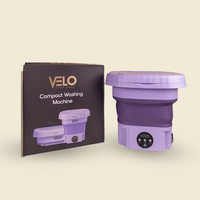
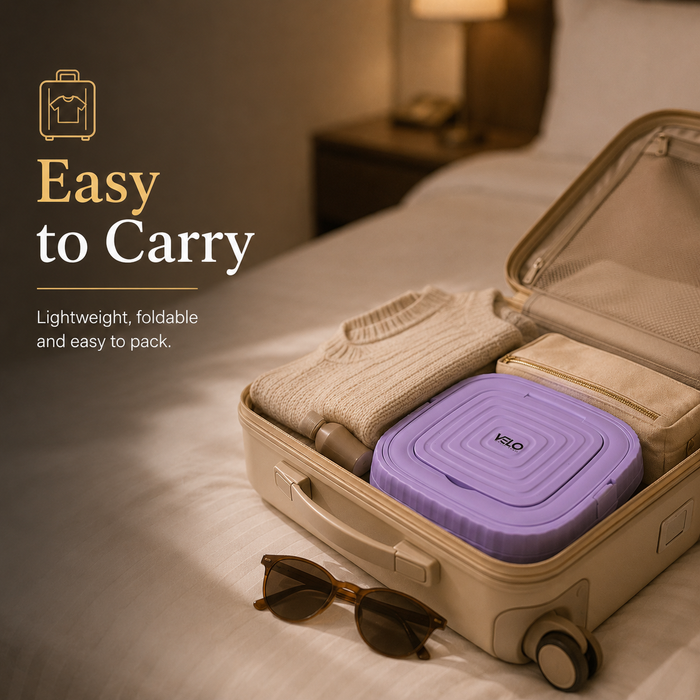
Depending on where you are staying, that could mean using hotel laundry, a local laundromat, washing selected items by hand, or bringing a compact washing solution for smaller garments and everyday essentials.
A simple laundry plan can help you bring fewer clothes and create more room in your luggage.
Explore the VELO Mini Washing Machine →
9. Keep Small Essentials Easy to Reach
A perfectly packed suitcase is not very helpful if you have to unpack everything whenever you need a charger, wipe, or travel document.
Keep frequently used items in easy-to-reach compartments.
This may include:
- Travel documents
- Phone charger
- Headphones
- Wet wipes
- Medication
- Power bank
- Personal-care essentials
Items you are unlikely to need until arrival can stay deeper inside your suitcase.
10. Create a Simple Arrival Routine
Packing smarter is not only about fitting everything into your luggage. It can also help you arrive feeling more prepared.
Before landing or shortly after arrival, you may want to:
- Freshen up
- Brush your teeth
- Apply deodorant
- Moisturise your hands or lips
- Change your shirt
- Tidy your hair
If you often travel directly from the airport to meetings, dinners, or events, keeping a compact styling tool in your luggage can also be useful.
Explore the VELO Mini Hair Straightener →
Frequently Asked Questions
How can I avoid overpacking?
Start with a written packing list, check the weather and itinerary, and only pack items that serve a clear purpose.
Choosing versatile clothing and planning for laundry on longer trips can also help reduce the amount you need to carry.
What should always be kept in a carry-on bag?
Important travel documents, medication, payment methods, your phone, charging essentials, and other items you may need during the journey should normally remain easy to access.
Always follow airline and airport rules when deciding what can be carried in cabin baggage.
Are packing cubes worth using?
Packing cubes can make it easier to separate different categories of clothing and keep your suitcase organised throughout a trip.
They are not essential, but many travellers find them useful, particularly for longer journeys.
Should I roll or fold my clothes?
Both methods can work.
Rolling is often practical for casual and lightweight clothing, while folding may be better for structured or delicate items.
How can I pack lighter for a long trip?
Choose clothing that can be worn in multiple combinations, pack only what your itinerary requires, and plan how you will handle laundry during the trip.
What travel essentials should I keep easy to reach?
Travel documents, medication, charging accessories, headphones, personal-care items, and anything you expect to use during the journey should generally be kept in accessible compartments.
Travel with Intention
Packing well is not about fitting as much as possible into your suitcase.
It is about carrying the right items, keeping them organised, and making every stage of the journey easier.
Start with a list, protect your essentials, simplify your personal-care routine, plan for the destination, and choose products that genuinely support the way you travel.
Pack thoughtfully. Carry what matters. Travel with less stress.